


Gas, Hybrid, or Electric Vehicle: Which Powertrain Fits West Texas Driving Habits?
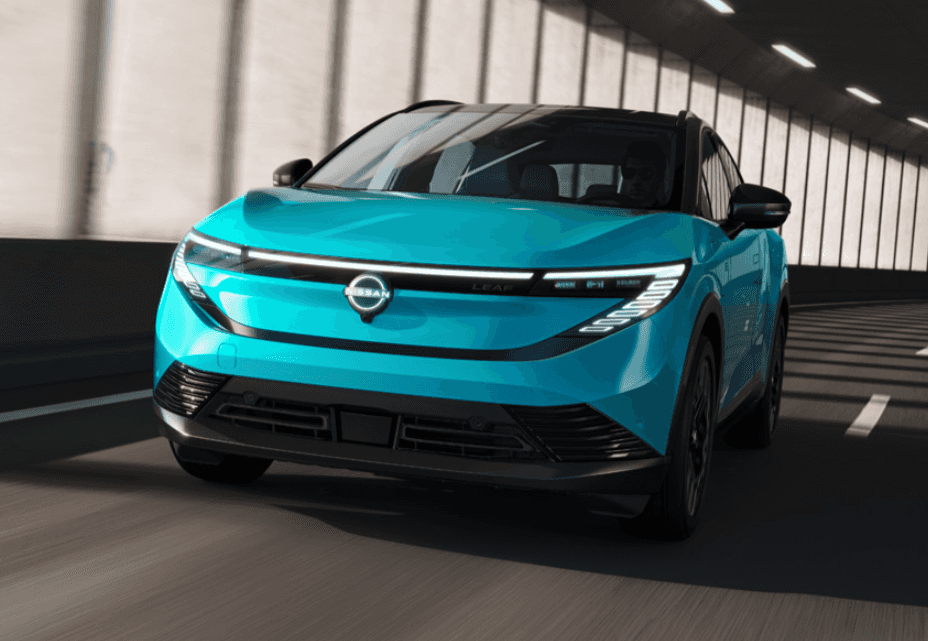
Choosing from gas, hybrid, or electric vehicle (EV) powertrains gets tricky when you’re dealing with West Texas driving. Endless miles between towns, brutal summer heat, and wide-open spaces create challenges you won’t find anywhere else. Whether you’re making a daily run between Midland and Odessa, hauling gear across ranch country, or facing that long haul to El Paso, your powertrain choice affects everything from your wallet to your peace of mind on those lonely highway stretches.
Understanding West Texas Driving Habits
West Texas can make city drivers think twice. Summer temperatures regularly hit 95 degrees F and up, which means your vehicle’s cooling system and battery get a workout. The landscape is flat and goes on forever, with major routes such as I-20 and I-10 linking towns that sit over 100 miles apart. Nationally, the average daily commute is about 25.6 minutes each way, but out here, you may drive much longer. Almost 8% of American workers reported driving at least an hour each way in 2021.
This region runs on energy production. Texas pumped out 43% of America’s crude oil in 2023, mostly from the Permian Basin. This creates unique transportation needs since workers constantly travel between remote sites, often with tools and equipment that demand serious payload capacity. The upside is a solid fuel infrastructure with gas stations placed smartly along major corridors, but rural areas can still be tricky for alternative fuels.
Gasoline Vehicles: The Traditional Choice
Gas-powered vehicles still rule West Texas roads. Modern gas engines handle extreme heat surprisingly well, especially with summer-blend gasoline that’s made for hot climates. This special fuel blend keeps the Reid Vapor Pressure between 7.8 and 9.0 psi so it won’t evaporate when temps soar. Better yet, it delivers improved fuel efficiency compared to winter blends and cuts smog-forming emissions by up to 15% while packing slightly more energy content.
Texas new vehicle sales are second only to California, which means competitive pricing and great selection create buyer-friendly conditions. When you’re regularly making 200-mile trips to see family or handle business, gas vehicles give you unlimited range with quick fill-ups, no range anxiety, and no hunting for charging stations. Service centers and parts are everywhere, with competitive pricing thanks to healthy competition among local shops.
Hybrid Vehicles: The Best of Both Worlds?
Hybrids offer you an interesting compromise for driving in West Texas, though they bring their own set of trade-offs in this climate. With over seven million hybrid EVs registered nationwide, the tech has proven itself over millions of real-world miles. But Texas heat speeds up battery degradation, cuts battery life and efficiency, and reduces charging capacity. Warning signs include drops in electric range, dashboard alerts that won’t quit, and unusual sounds from the battery area, all things you need to watch during those scorching summer months.
Hybrids can save serious fuel money if you’re stuck in stop-and-go traffic in places such as Lubbock or Amarillo. The electric assist takes pressure off the gas engine during acceleration and air conditioning usage, which matters when temperatures hit over 100 degrees F. There’s a financial hurdle, though — Texas charges high registration fees for alternative fuel vehicles ($400 new, $200 annually) while offering zero state-level incentives. Texas ranks third in total EV registrations with 230,125 vehicles of all electric types, but those high fees and missing incentives might slow hybrid adoption compared to states with friendlier policies.
EVs: A Revolutionary Shift
EVs bring some compelling benefits if you drive in West Texas, especially regarding operating costs and performance. Texas stands as the third-largest EV market in the United States, and infrastructure development is picking up steam. The first National EV Infrastructure (NEVI) Formula-funded charging station opened in Happy, Texas, with four ports maxing out at 180 kWh each. More grant-funded stations popped up in Gainesville and Cotulla as part of the NEVI program’s push for comprehensive charging networks. Electric motors deliver instant torque for highway merging, and that quiet operation makes long drives less tiring.
Texas heat creates real challenges for EV performance. EVs lose range fast in high temperatures: 5% at 90 degrees F, 15% at 95 degrees F, and a whopping 31% at 100 degrees F. Performance varies wildly among models, too — the Nissan LEAF drops 22% of its range at 90 degrees F, while the Ford F-150 Lightning only loses 1% under identical conditions. This emphasizes the importance of thermal management when you own an EV. These impacts, combined with still-developing rural charging infrastructure, mean EVs work best if you have a predictable, shorter daily commute and home charging access.
Gas vs. Hybrid vs. Electric: Which Is Best?
Your powertrain choice for West Texas driving comes down to your specific needs, budget, and how you drive. If you regularly travel long distances, tow equipment frequently, or value the security of widespread fuel availability, then a gas vehicle may be for you. Hybrids work well if you do both city and highway driving, as long as you understand the heat-related maintenance issues and can live with higher registration fees. In Texas, electric cars excel for shorter commutes where you can charge at home and if you want minimal operating costs, though range limits and heat effects need careful consideration.
Drive Into the Future at Jim Bass Nissan
What matters most is matching you with a vehicle that satisfies your requirements instead of following trends or assumptions. Our team at Jim Bass Nissan understands the challenges of West Texas driving and can help you evaluate each powertrain through test-drives and real talk about your daily patterns. Whether you’re trading in your current ride or buying your first car, we’ll guide you toward the powertrain that’ll serve you best on West Texas roads for years to come.

0 comment(s) so far on Gas, Hybrid, or Electric Vehicle: Which Powertrain Fits West Texas Driving Habits?